Key Takeaways:
- Perplexity Computer is not a physical device. It is a cloud-hosted autonomous agent platform that puts 19 frontier AI models to work from a single instruction.
- Its standout feature is intelligent task routing. The platform automatically assigns each subtask to the most capable model, eliminating manual tool switching entirely.
- The 400+ app integrations look impressive, but real-world connector reliability drops significantly outside core productivity tools like Gmail, Slack, and Notion.
- At $200 a month, the value only adds up for users running high-volume, multi-step workflows. Casual users will not recover the cost.
- It is the most capable autonomous-agent platform publicly available today, but human oversight remains non-negotiable for any output that carries real consequences.
Perplexity Computer launched in February 2026, and the AI community has not stopped talking about it since.
The premise is intriguing. An autonomous agent platform that takes a single instruction and runs it across 19 frontier AI models, hundreds of connected tools, and entire multi-step workflows without constant supervision.
We put it through its paces. Here is what actually holds up and what still needs work.
What Perplexity Computer actually is
Perplexity Computer is a cloud-based autonomous agent platform, and understanding that distinction matters before you evaluate anything else about it.

Not a device
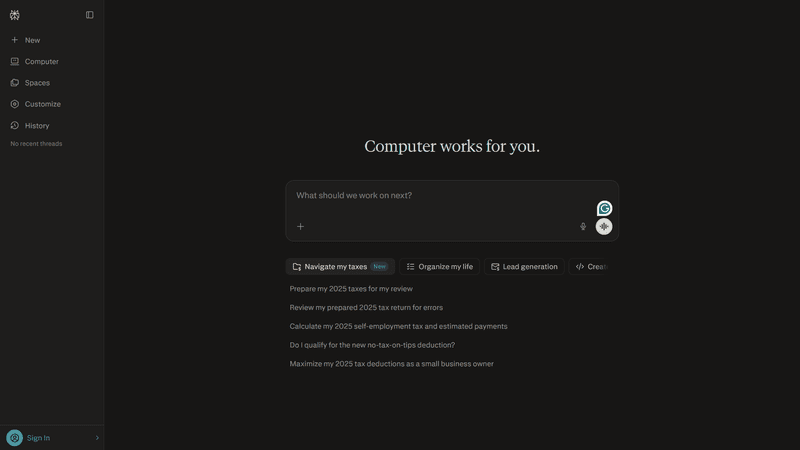
The platform runs inside Perplexity's cloud infrastructure, inside an isolated Linux environment with real compute, a real filesystem, and real browser access. It doesn’t need any local setup or installations.
Users can access Perplexity Computer via a browser, describe an outcome, and the platform gets to work.
Perplexity's own framing puts it plainly: “Chat interfaces answer questions, agents get things done.”
It can:
- Connect to hundreds of connectors through managed OAuth, including Slack, Gmail, GitHub, and Notion
- Run multiple agent instances in parallel, independently, around the clock
- Keep individual tasks active for days or weeks
- Surface only when a human decision is genuinely needed
It is not a chatbot with extra features. It is closer to a digital worker that you brief once and check in on occasionally.
3 core systems behind Perplexity Computer
This is not one model doing one thing. Perplexity Computer is an orchestration layer that intelligently coordinates multiple specialized models at every step of a task.
Here’s all you need to know about its inner workings:
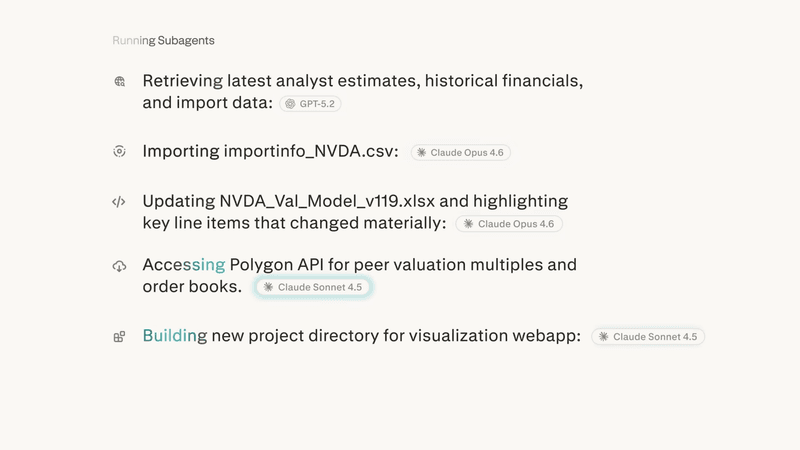
1. Multi-model orchestration
No single model runs everything here. The platform routes each subtask to whichever model handles it best.
Here is how the division of labor breaks down:
- Claude Opus 4.6 anchors the core reasoning layer
- Gemini takes on research-heavy, data-intensive work
- Grok handles fast, lightweight tasks needing quick turnaround
- GPT-5.2 manages anything requiring long-context recall
- Nano Banana handles image generation
- Veo 3.1 takes care of video output
Users can override model assignments per subtask. Hard limits on token spend are also available. The routing logic is automatic, but the final call stays with you.
2. Persistent memory and personalization
Perplexity Computer does not start cold every session. It carries forward prior projects, brand assets, and preferences automatically.
Over 50 specialist skill playbooks load on demand depending on task type. Live service connections mean it builds on existing context, not from scratch.
3. End-to-end project execution
The input is a goal, not a step-by-step instruction set. The platform handles decomposition from there, spinning up sub-agents when parallel work is needed.
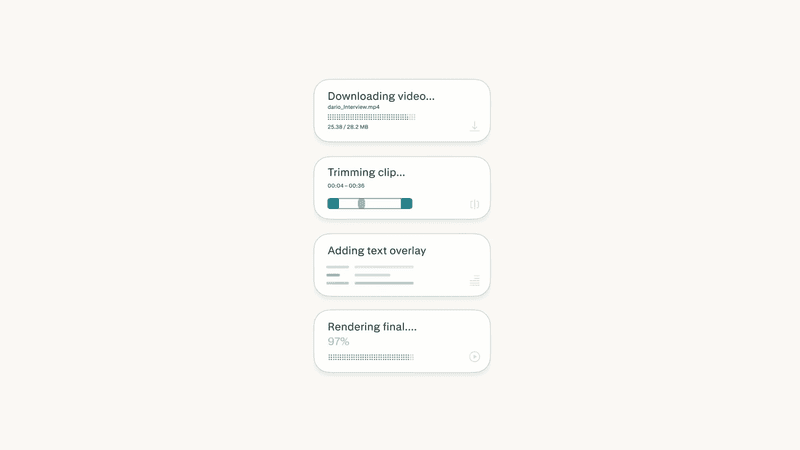
Finished outputs are the expectation. It only checks back in when a human decision is genuinely required.
What it does really well
Perplexity Computer has some genuinely impressive capabilities that show up consistently in real-world use.
The generalist's flexibility is the first thing you notice. It handles research, code generation, design output, data processing, and deployment all inside one interface. The manual handoffs that eat up your time are largely gone.
People have reported going from a brand brief to two fully deployed applications in under 30 minutes, GitHub commits and all. That kind of speed is hard to argue with.
The same speed shows up in how it researches. Web, academic, social media, image, video, shopping, and people searches all run at the same time. It reads full source pages too, not just snippets.
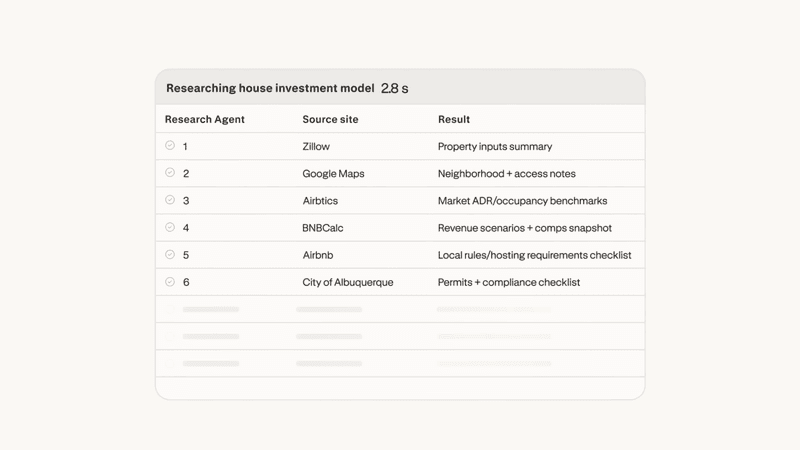
You can ask it to flag where sources disagree with each other. That is more useful than a plain summary, especially for research-heavy work.
Cloud consistency is an underrated win. Every session starts from the same base environment. For teams sharing workflows across different setups, that reliability matters more than it sounds.
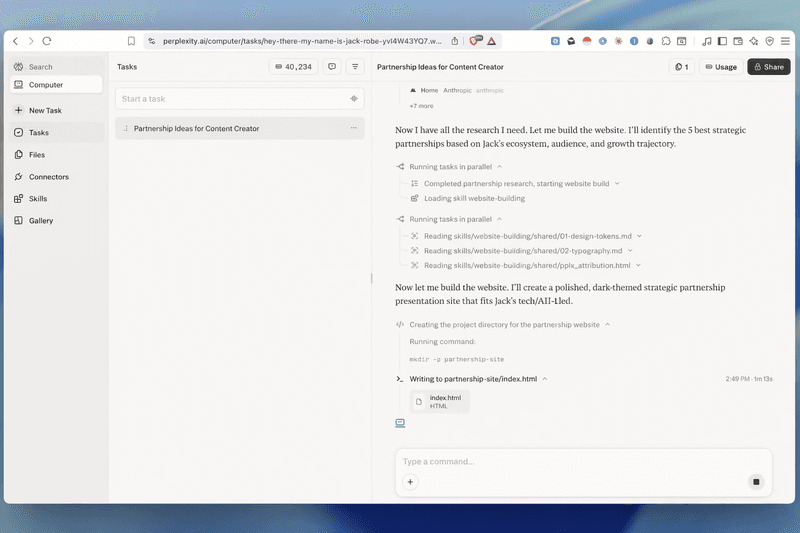
App building rounds it out. Functional applications with live previews, brand-matched styling, and export options are genuinely within reach. Finished code goes straight to GitHub without ever leaving the platform.
Early users have shipped presentations, full datasets, and complete websites from a single brief.
Where it falls short
No platform at this stage is without gaps. Perplexity Computer is no exception, especially as workflows move beyond simple use cases.
Most limitations don’t appear immediately. They show up as tasks repeat, scale, and start carrying real outcomes.
The ones that follow are worth knowing before you commit:
- Connector reliability is inconsistent. The “400 integrations” number is real, but performance varies across tools.
- Core tools like Gmail and Notion are stable. Enterprise systems and niche apps are less reliable.
- The same workflow can deliver strong results once and weak results the next, without clear reasons.
- The AI makes confident mistakes. Outputs can sound complete while being factually wrong or structurally incomplete.
- In one case, an agent submitted a research index as a final output without doing the actual work.
- Human review is required for any high-stakes output.
- Visibility is limited. Sub-agent activity is not fully transparent during execution.
- This creates challenges for teams with compliance or audit requirements.
- Local workflows are not supported. Local files, credentials, installed software, and on-premise systems are out of scope.
- If system-level access is required, local agent frameworks are a better fit.
- Production pipelines need built-in human checkpoints to handle output variability.
Perplexity Computer vs the competition
Area of comparisonPerplexity ComputerClaude CoworkOpenClawRuns onCloudLocal machineLocal machineModels used19 frontier modelsAnthropic onlyVariesBest forMulti-tool executionDeep document workDeveloper system accessSecuritySandboxed cloudOn-deviceExposed, local riskSetup requiredNoneYesYesWorks offlineNoYesYesPrice$200/monthIncluded with ClaudeFree, open source
Is $200 a month worth it?
At $200 a month with 10,000 credits included, this is far from an impulse purchase. The value depends entirely on how you work.
Worth it if you are:
- Running complex, multi-step research or automation workflows regularly
- Currently paying for several tools that the computer could consolidate into one
- A founder, analyst, or operator where time saved directly translates to output
- An enterprise team of over 100 organizations requested access within the first weekend
Worth skipping for now if you are:
- An occasional AI user who opens a tool a few times a week
- On a tight budget. Because there is no trial period, $200 is committed upfront
- A team with strict data residency or compliance requirements
- Anyone whose workflows depend on local file access or system-level integration
The bottom line
Perplexity Computer is one of the most capable autonomous agent platforms available today. It is not perfect, and the $200 price will not suit casual users. For teams running multi-step workflows, it is worth serious consideration.
Connector reliability and visibility will improve over time. What matters is where it already stands and where it is heading.
If your workflow fits what it does well today, there is little reason to wait.
Disclaimer: This blog is AI-assisted and draws on publicly available hands-on accounts, early user reports, and official Perplexity documentation as of April 2026. Perplexity Computer is an evolving platform, and capabilities, pricing, and reliability may have changed since publication. Test it against your own workflows before making a purchasing decision.