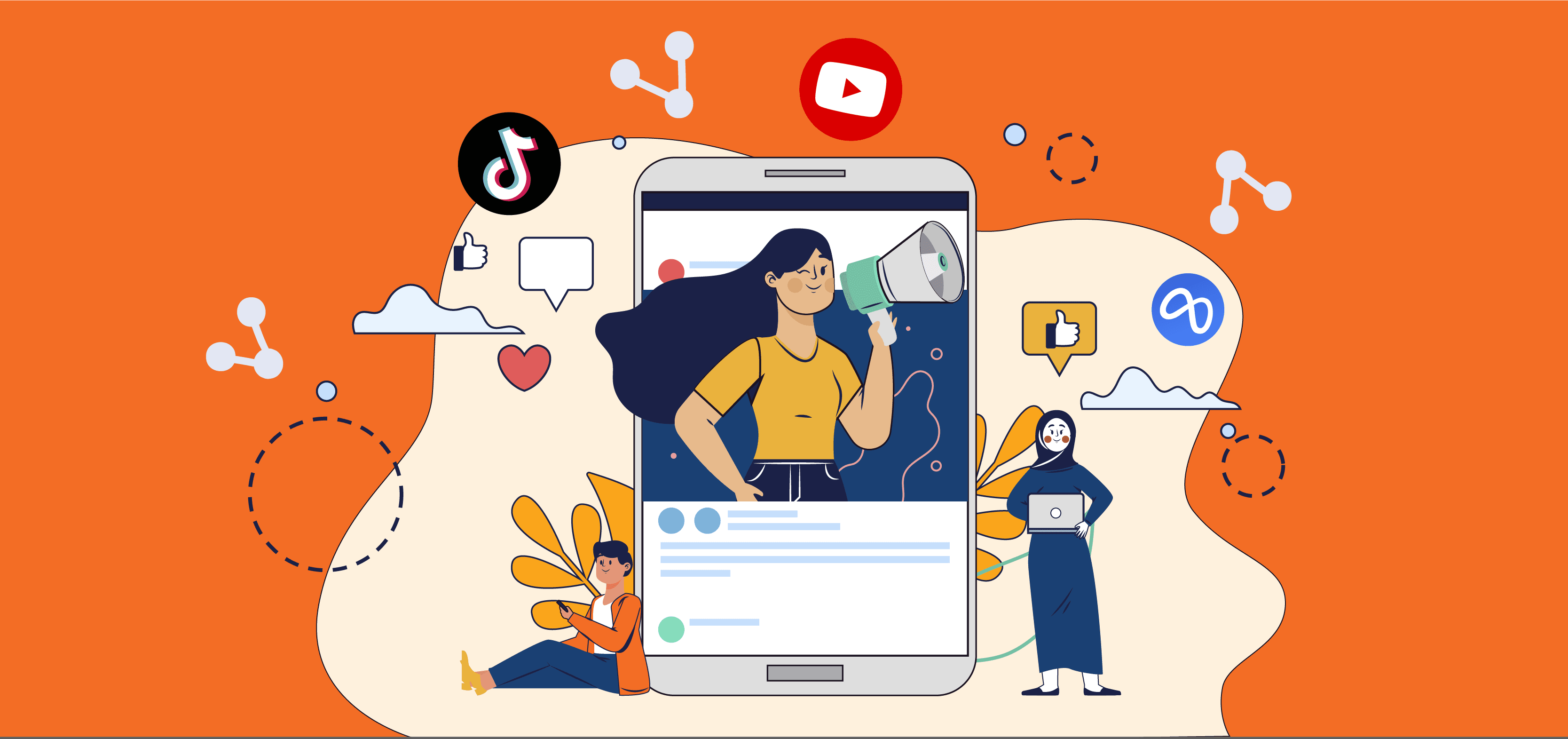
When it comes to data privacy and transparency, big tech platforms have always been discreet about what goes inside the headquarters. Earlier this month, a hearing took place with an assembly of senators and politicians to discuss this topic.
Congress engaged in a dialog with highly intellectual people in the hearing titled “Platform Transparency: Understanding the Impact of Social Media.” Introduced in December 2021, this Act is likely to force tech giants like Meta, TikTok, and YouTube to share their data with qualified researchers for research and study.
What is the need for data transparency? The hearing was led by Chris Coons of Delaware, along with Sen and Amy Klobuchar of Minnesota.
Senate Brandon Silverman, the co-founder of CrowdTangle—a tool that allows journalists, researchers, and others to track the engagement and boost of posts and links on Facebook—explained how Facebook’s attempt to acquire the tool resulted in a possible embarrassment for the company.
Silverman, who left Meta, said, “Above all else, the single biggest challenge is that in the industry right now, you can get away without doing any transparency at all. YouTube, TikTok, Telegram, and Snapchat represent some of the largest and most influential platforms in the United States, and they provide almost no functional transparency into their systems. And as a result, they avoid nearly all of the scrutiny and criticism that comes with it.”
According to a report by Statista, around 82% of the population of the US has a social media profile on various platforms. The majority of these platforms don’t share their data.
Nate Persily, a professor at Stanford, said that “This type of transparency legislation is about empowering outsiders to get a better idea of what’s happening inside these firms.”
What can you expect from the hearing?
It’s evident from the hearing that data sharing and transparency are essential for researchers. This information helps researchers and journalists track the activities on these platforms.
But meanwhile, here’s what more you can expect from this data transparency hearing:
- Researchers can submit the proposals to the National Science Foundation. If the NSF approves the proposal, then, as a result, social media platforms will be required to provide the requested data. This data is subject to privacy protections. So, the NSF can include anonymising it or having “white rooms” in which researchers can review sensitive material.
- Allow the Federal Trade Commission the authority to require regular disclosure of specific information by platforms, such as data about ad targeting.
- The Commission can ask the platforms to create essential research tools to analyze what type of content succeeds, similar to the primary role of CrowdTangle.
- Social media platforms will not be allowed to block independent research initiatives. As a result, both researchers and platforms would be given legal safety for privacy concerns.
The hearing acts as the first step toward scrutinizing the data of big tech companies and ensuring public safety. Whether this works or not will be determined by the following actions. We are certainly excited about the new Act and can’t wait to see what it has in store for all the social media users worldwide.