Most B2C brands don’t fail because of bad products. They fail because they built their marketing on noise instead of a foundation.
The ads look good, the website is polished, and the content team posts regularly. But behind all of it? There is no real structure, no clear direction, and no system that ties the message to the buyer, the platform, and the long game.
In a world where trends shift overnight and paid channels get more expensive by the hour, hoping that “more content” or “better targeting” will fix the gaps is wishful thinking.
What works is not doing more, but doing it smartly. What B2C brands need is to talk to their customers, form real connections, and show they actually care.
In this blog, we’ll break down how to build that kind of marketing foundation - from the digital channels that matter to the content strategies that make people stop, engage, and buy.
B2B vs B2C marketing: What’s the catch?
So, what is B2C marketing, anyway, and is it different from B2B?
Well, B2C and B2B marketing may share the same goal - to get people to buy. But everything from the audience to the messaging is different. If you're using the same copy, tone, or strategy across both, you're doing at least one of them wrong.
B2C marketing = emotion-first
You’re speaking directly to an individual who’s buying for themselves, not for a boardroom. This means your messaging needs to hit home fast.
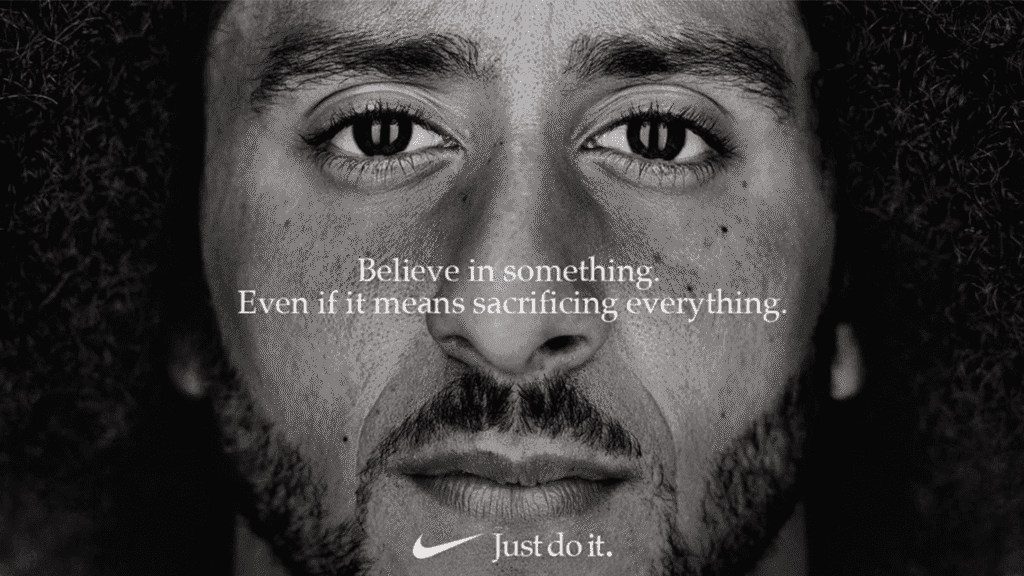
Take Nike, for example. They don’t just sell shoes; rather, they sell a mindset. “Just Do It” isn’t just a slogan; it’s a permission slip to show up, try harder, and believe you belong. From product visuals to athlete stories, everything is designed to make you feel powerful and seen.
That emotional punch is what turns interest into action. It makes the purchase feel personal, not transactional, like a step toward who the customer wants to become.
B2B marketing = logic-first
On the other hand, B2B buyers are rarely solo decision-makers. You’re selling to a buying committee: CEO, finance head, procurement lead, sometimes even the end-user.
Your messaging needs to address all of them by focusing on clear value, long-term ROI, reliability, and scalability.
Think of Zoho - their marketing highlights scale, reliability, and product depth. Whether it's emphasizing their 120 M+ global users or showcasing long-term performance, their message speaks directly to decision-makers who need evidence before they buy.
The difference isn’t just who buys but also how and why they buy
In B2C, the journey is fast and impulsive; someone sees a reel at lunch, feels a spark (joy, FOMO, curiosity), and buys before the reel loops. It’s emotion-first, vibe-led, and built for platforms like Instagram, YouTube Shorts, and WhatsApp.
In B2B, everything slows down: demos, approvals, budgets, stakeholders. Decisions are logic-heavy, backed by proof and ROI, not impulse. That’s why case studies, calculators, and crisp LinkedIn/email messaging matter; you’re earning trust, not chasing clicks.
Some B2C marketing stats for you
- 53% of shoppers now discover products via social media platforms, up from 46% in 2023.
- 76% of Gen Z use social platforms for product discovery.
- Email marketing conversion rate (for B2C) averages around 2.8%.
- Smartphones account for over 77% of retail website visits worldwide.
- 65% of customers cite high prices as a top reason they stopped buying from a brand.
- Brand loyalty is predicted to decline by ~25% by 2025, even as loyalty-program membership grows.
A killer B2C Marketing plan
A killer B2C marketing campaign starts with audience research, clear goals, and the right channels. This five-step framework drives engagement and conversions.
Step 1: Nail Your Brand Positioning
Your brand position is your stake in the ground. It's not what you sell, it's why you matter. Define your unique value in one sentence. What makes you different from every competitor? A DTC coffee brand doesn't sell beans, it sells morning rituals for remote workers who won't settle for mediocre. Position sharply. Own your lane. Make it impossible to confuse you with anyone else.
Step 2: Define your target audience
Know who you're selling to before you spend a dollar. Create 2-3 buyer personas, not demographic fluff, but real people.
- demographics
- psychographics
- pain points
- buying behavior
Example: A DTC skincare brand targets urban millennials concerned with clean ingredients.
Grab this free worksheet to map out buyer personas with clarity and confidence.
Step 3: Set clear campaign goals
Vague goals kill campaigns. Make it:
- Specific
- Measurable
- Achievable
- Relevant
- Time-bound
Example: “Increase site traffic by 30% in Q1" or "Generate 500 qualified leads in 60 days.”
Step 4: Choose the right channels
Go where your audience lives. They can be on any channel- social (Instagram, TikTok), paid search, email, influencer partnerships. Match channel to audience behavior (e.g., Gen Z on TikTok, professionals on LinkedIn).
Download this Smart Channel-Tool Checklist to cut the chaos and build a smarter, tighter stack.
Step 5: Craft personalized messaging
Generic copy gets ignored. Here are some frameworks you can use:
- problem-agitate-solve
- emotional triggers
- social proof
Example: "Instead of 'Buy our shoes,' try 'Step into comfort that lasts all day.'”
Step 6: Leverage the Right Marketing Tools
Pick 3-5 essentials that align with your goals. Use Google Analytics for traffic tracking, Meta Ads Manager for paid social, HubSpot or Mailchimp for email automation, Canva for visuals, and Hotjar for user behavior insights. Set up dashboards that show CTR, conversion rate, CAC, and ROAS in real time. Tools enable speed, but strategy drives results.
Step 7: Measure and optimize
Launch isn't the finish line.
Track key metrics like CTR, conversion rate, CAC, ROAS, and engagement rate to understand what's working. Run A/B tests on headlines, CTAs, visuals, and landing pages to find winning combinations. Use tools like Google Analytics, Meta Ads Manager, and HubSpot to monitor performance in real time. Don't set and forget- review data weekly, kill underperforming assets, and double down on what converts.
What’s shaping the B2C brands in 2026: Key trends to know about!
With rapid shifts in technology, culture, and global habits, the way people discover and buy products has completely evolved. What worked in B2C marketing even a year ago might already feel outdated.
Here's what's actually moving the needle right now:
1. Nothing still beats personalization
Personalization has been a buzzword in marketing for years, and now it has become the norm. 66% of consumers expect brands to understand their needs and tailor experiences accordingly. AI now tailors product recs, pricing, and content in real time based on behavior. Nike shows you sneakers you'll actually buy. Spotify builds playlists that feel custom-made. If every visitor sees the same thing on your site, you're bleeding conversions.
2. Micro-authenticity is beating big-budget ads
Glossy and over-produced visuals are falling flat. Today's audience craves content that feels more authentic. A simple 10-second video of a customer unboxing a product, even with bad lighting, can outperform a high-budget studio shoot.
3. Value-driven branding is back at the center
If your marketing still screams discounts and product specs, you’re already losing the plot. According to HubSpot's latest Consumer Trends Report, 82% of consumers prefer to buy from brands that share their values. This is particularly true for younger audiences, including Gen Z, who expect authenticity.
4. Inclusivity is no longer optional
In a world that’s louder and more connected than ever, inclusivity isn’t a nice-to-have, but it’s a brand expectation. Campaigns that show up with real people, real bodies, and real stories don’t just get applause, they get conversions. According to Kantar, nearly 8 in 10 people say a brand’s stance on diversity and inclusion impacts their buying decision.
5. Zero-party data is the new gold
Third-party cookies are toast. Consumers don't trust tracking anymore. Smart brands are asking customers directly: “What do you want?” Quizzes, surveys, and preference centers let people tell you everything—if you give them value in return.
6. Communities beat ad budgets
Paid ads are getting expensive and less effective. Communities are free and self-sustaining. Glossier grew through customer content, not commercials. Peloton built a tribe. Loyal communities create content, recruit customers, and defend your brand when things go sideways. Build spaces where customers talk to each other, not just to you.
7. Sustainability talk needs receipts
Greenwashing gets torched instantly. Consumers want proof, not promises. Allbirds shows carbon footprints per shoe. If you can't back up “eco-friendly” with data, don't say it. Vague claims trigger backlash. Real action builds loyalty.
7 high-impact B2C strategies that cut through the noise and actually deliver ROI
Great marketing isn’t about doing more, but it’s about doing what works. These seven business to consumer or B2C marketing strategies help B2C brands stay visible, sell smarter, and keep their audience coming back.
1. HubSpot: Make content that counts
HubSpot's blog gets 7 million monthly visitors. They publish templates, guides, and courses, all free. Their "Marketing Statistics" post gets 500K+ visits annually and generates thousands of backlinks.
Here's what you can create:
- Lookbooks and gift guides: Visual, scrollable guides help users explore products based on occasions or needs, such as a festive gifting guide, a summer skincare routine, or a “build your own bundle” layout.
- Interactive assets like quizzes and tools: From “find your perfect haircare combo” to “skincare routine builders”, these assets engage users and quietly collect that vital first-party data you’ll thank yourself for later.
- Live sessions and webinars: Whether it’s a derm dropping skincare truth bombs or a stylist decoding party looks, live content builds authority and gives your brand a face people actually trust.
- Blogs that answer real questions: Consider topics like “How to build a skincare routine for oily skin” or “What to wear to a monsoon wedding.” These pieces build trust, improve SEO visibility, and give your brand a reason to show up early in the buyer journey.
2. Glossier: Turn real people into real proof
Glossier started as a beauty blog (Into The Gloss) featuring interviews with real women about their routines. Founder Emily Weiss asked readers what products they wanted. The community literally designed the brand. Their Instagram is 90% customer photos, not staged shoots. They built a $1.2 billion brand by listening first, selling second.
3. Sephora: Win the scroll with short-form video
Sephora's Beauty Insider Community has 3 million members asking questions, sharing looks, and reviewing products. Their "Sephora Collection Tutorials" YouTube series teaches makeup application with their products. They run virtual beauty classes and livestream product launches with Q&A. The content removes buying hesitation. When customers know how to use products, they buy more confidently, and return less.
4. Show up locally and in AI search
Ranking on Google isn’t enough anymore, you need to show up locally and inside AI searches.
Geotargeting lets you reach people at the exact moment they’re ready to buy: a skincare brand promoting humidity-care products only in coastal cities, or a café boosting ads during peak lunch hours around its nearest locations.
How to use it:
- Run Meta/Google ads within a tight radius and push limited-time offers or restock alerts.
- Use weather or location triggers to tailor creative (“Cold-weather skincare when temperatures drop”).
- Send push notifications when users are near your store using tools like PlotProjects.
Then there’s AI GEO (generative engine optimization). People now ask ChatGPT, Gemini, and Perplexity for recommendations. To show up there, optimize for conversational queries, build topical authority, and aim to appear in Google’s AI Overviews, which are quickly becoming more influential than page-one rankings.
5. Make social scrolling a shopping experience
There’s a reason social media remains a non-negotiable in every smart B2C playbook. Whether it’s Instagram stories that spark product discovery or a TikTok comment section turning into a real-time Q&A, this is where buying journeys often begin and now end.
According to McKinsey's State of the Consumer 2025 survey, in India alone, nearly half of shoppers explore products through social media before deciding. Plus, social platforms are influencing purchases globally.
But showing up isn’t enough anymore.
Winning brands aren’t just posting, but they’re creating shoppable experiences. Here's how to do that:
- Turn content into storefronts: Use product tags, in-app checkout, and link stickers on Instagram or TikTok to turn casual views into impulse buys. Make the path from “ooh, I want that” to “it’s mine” smooth, fast, and friction-free.
- Launch products on social first: Introduce your next product directly on social. Give your followers early access before it hits the website. Not only does it reward your most engaged audience, but it also builds hype, urgency, and serious FOMO in real time.
- Make Pinterest your passive sales machine: Pinterest isn’t just a mood board. It’s where people go to plan and buy. Post evergreen content like how-tos, outfit ideas, or skincare routines, and pair them with shoppable tags. You’ll get long-tail visibility and sales on autopilot.
6. Turn brand moments into movements
Today’s consumers want more than just products, they want connection, experiences, and stories they can be part of. That’s why experiential and community-led marketing is having a serious moment. It’s about creating buzz that people don’t just scroll past but actively engage in, both online and offline.
Here’s how smart B2C brands are doing it:
- Host pop-ups or brand stalls at spaces your audience already loves, such as college festivals, flea markets, and wellness hubs.
- Use QR-linked packaging to unlock BTS content, loyalty perks, or interactive games tied to your brand story.
- Run live streams or digital events, such as launch parties, live tutorials, or AMA sessions, that make your community feel and be seen.
- Launch limited collections or campaigns where your audience gets to vote on colors, product names, or designs. It’s a win-win as they feel involved, and you get products with built-in demand.
Consider Rhode by Hailey Bieber. Their pop-ups aren’t just stores; they are a whole experience. From minimal, glowy aesthetics to exclusive merch and selfie corners, every detail is crafted to make customers feel part of something special.
7. Use emails to stay on top of mind
Email marketing is still a B2C power move, but only when it’s built around connection, not just conversion. Instead of blasting promotions, savvy brands use email to educate, inspire, and show up with real value at every step of the customer journey.
Take Inside Design by InVision. Their weekly emails don’t scream “buy now.” They serve curated content, design inspo, quirky surveys, and even weekly giveaways. It’s like getting a newsletter from a cool friend who just happens to design for a living. No pushy sales talk, instead just value, vibes, and reasons to keep opening.
What you can do is put email flows in place that go beyond the basics.
- Welcome flow: Roll out the red carpet with a friendly, on-brand introduction. Don’t just toss a discount code instead; tell them what your brand stands for, what they can expect, and how you’ll add value to their inbox.
- Post-purchase flow: This is your chance to educate without upselling too hard. Share how-tos, usage tips, care guides, and maybe even customer stories related to the product they just bought. It builds trust and increases the chance of a second purchase.
- Re-engagement or win-back flow: Don’t beg them to come back, but give them a reason to do so. Highlight new arrivals, personalized picks, or helpful content. Make it feel like a thoughtful check-in, not a last-ditch promo blast.
B2C marketing automation: For brands who want to scale without the chaos
B2C marketing automation lets you personalize, execute, and track marketing tasks across the customer journey without lifting a finger. In a market where competition is cutthroat, preferences shift overnight, and bland messaging gets you nowhere, automation is your not-so-secret weapon.
It ensures your brand doesn’t miss key customer moments - whether it’s a cart abandoner or a first-time visitor.
Some of the areas of your marketing that you can consider automating include:
- Email flows: Set up automated journeys that match your customer’s stage, like welcome sequences for new signups or re-engagement nudges when someone hasn’t interacted in a while.
- Social media scheduling: Instead of scrambling to post every day, use automation to schedule content across Instagram, Pinterest, and more. This helps maintain a steady presence and frees up your time to focus on content quality and audience engagement.
- A/B testing at scale: Automatically test multiple subject lines, creatives, or CTAs and have the winning version pushed to the rest of your audience without manual review.
- Auto-segmenting your audience: Use automation to group customers based on purchase behavior, average order value, or engagement level so you can tailor your campaigns to each group.
- Campaign performance monitoring: Set up automation to track the performance of your email or ad campaigns. Receive real-time alerts if open rates, CTRs, or conversions drop below a certain point.
To get started with B2C marketing automation, choose tools that match your goals and channels.
- For email, Klaviyo and Omnisend are built for ecommerce-style journeys, with drag-and-drop flows, product recommendations, and performance tracking baked in.
- For content and social, Buffer helps you plan and schedule posts across platforms, while HubSpot can unify customer data, lead flows, and segmentation.
But here’s the warning: automation isn’t a substitute for your voice, creativity, or intention.
Final words: Show up where it matters. Win where it counts
B2C marketing isn’t about chasing every trend or being on every platform. It’s about showing up in the spaces your audience actually hangs out. Whether it’s answering what they’re Googling, showing up in their inbox with something useful, or being the post they pause on, great marketing meets people where they are. It reflects your values, speaks to their needs, and builds the kind of connection that drives conversions without ever trying too hard.
B2C marketing automation makes this smoother. It handles the behind-the-scenes hustle so you can focus on what really matters: showing up with clarity, purpose, and relevance.
If you're ready to stop guessing and start executing, WrittenlyHub, a B2C full-stack content marketing agency offers end-to-end marketing support built to help brands grow today. From strategy and content to systems and scale, we help you market smarter without burning out your team.
FAQs
1. What are the four types of B2C?
Typically, B2C falls into four different categories:
- Direct sellers (DTC): The most common model where consumers buy directly from brands, either online or via physical stores. Brands like Glossier or Lenskart follow this model.
- Online intermediaries: Platforms such as Amazon, Etsy, or India’s Flipkart act as middlemen, connecting buyers and sellers without owning the inventory.
- Community-based: These rely on social platforms like Meta, Pinterest, or even WhatsApp groups, where users interact and transact directly.
- Fee-based models: These brands charge consumers recurring fees for access to their content or experience. Take Netflix, Hotstar, or CRED.
2. What is an example of B2C?
A well-known example of a B2C brand is Netflix, which sells digital streaming subscriptions directly to individuals. Similarly, Amazon and Walmart cater to end-consumers through both online and in-store channels. Companies like Nykaa, BigBasket, and Wakefit are popular B2C players. They serve consumers directly through their own platforms.
3. What role does post-purchase experience play in B2C brand growth?
The post-purchase journey is often overlooked, but it’s where lasting impressions are made. Fast delivery, thoughtful packaging, proactive support, and personalized follow-ups all build trust beyond the transaction. This is where loyalty, referrals, and social proof are born. Brands that treat post-purchase as a marketing touchpoint and not just logistics secure customer loyalty and future sales.
4. How can B2C brands stay relevant in a fast-moving trend cycle?
Brands should focus on their core audience instead of chasing viral noise. While it’s essential to be aware of cultural shifts, every trend you adopt should serve your core brand message. Relevance today comes from consistency, emotional connection, and thoughtful timing, not from jumping on every viral moment. Brands that do this well maintain trust while still feeling fresh and current.