Key Takeaways:
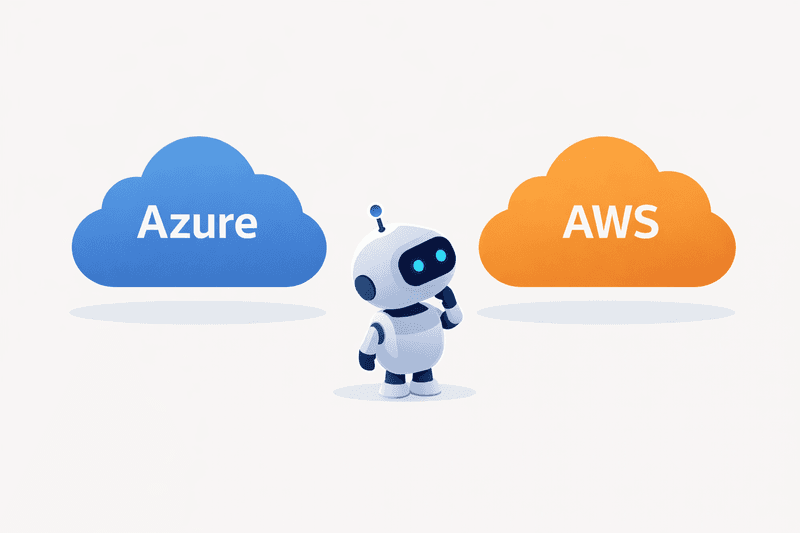
- Perplexity signed a three-year, $750 million deal with Microsoft to use Azure cloud services
- The agreement lets Perplexity deploy AI models from OpenAI, Anthropic, and xAI through Azure AI Foundry
- Amazon Web Services remains Perplexity's primary cloud provider despite the new Microsoft partnership
- Amazon is actively suing Perplexity over its Comet AI shopping agent, alleging computer fraud
- The deal signals a growing multi-cloud strategy among AI startups facing compute shortages

Two years after going all-in on Amazon Web Services, Perplexity just signed a $750 million deal with Microsoft.
The three-year agreement, reported by Bloomberg on January 29, allows the AI search startup to deploy frontier models through Microsoft's Azure AI Foundry service.
The timing is notable, as Amazon is currently suing Perplexity in federal court.
What the Perplexity Microsoft Azure deal includes
The $750 million commitment gives Perplexity access to AI models from multiple providers through Azure AI Foundry. These include models from OpenAI, Anthropic, and xAI.
A Perplexity spokesperson confirmed to Bloomberg that the partnership is aimed at securing access to leading AI models across providers.
Microsoft's Foundry service has been gaining momentum. Over 1,500 customers now use both Anthropic and OpenAI models through the platform. Customers spending more than $1 million quarterly grew nearly 80% year-over-year.
Why Perplexity still needs Amazon Web Services
Despite the Microsoft commitment, Perplexity is not leaving AWS.
The company built most of its infrastructure on Amazon Web Services. CEO Arvind Srinivas previously said Perplexity has allocated hundreds of millions of dollars for AWS.
A Perplexity spokesperson told Bloomberg that AWS remains its preferred cloud provider. The company expects to announce expansions of that partnership in coming weeks.
This multi-cloud approach creates leverage in price negotiations while reducing dependency on a single vendor.
Amazon lawsuit complicates the cloud relationship
The Azure deal arrives at a tense moment in Perplexity's relationship with Amazon.
In November 2025, Amazon filed a lawsuit in federal court to stop Perplexity's Comet AI browser from making purchases on Amazon's marketplace.
Amazon's key allegations against Perplexity include:
- Disguising Comet as a Google Chrome browser
- Failing to identify when AI agents operate in the Amazon Store
- Making purchases on behalf of users without authorization
- Violating Amazon's terms of service and computer fraud statutes
Amazon called Comet's behavior a threat to customer security and a degraded shopping experience.
Perplexity fired back with a blog post titled "Bullying is Not Innovation." The company argued that AI agents acting on behalf of users should have the same permissions as the users themselves.
Why AI startups are spreading cloud commitments
Perplexity's multi-cloud strategy reflects a broader industry pattern.
Computing power shortages are driving AI startups to secure commitments from multiple providers. Fast-growing companies like Anthropic and OpenAI also use multiple cloud platforms to guarantee access to computers.
The $750 million Azure deal gives Perplexity infrastructure independence from Amazon at a critical moment. With Amazon actively litigating against Perplexity's core shopping feature, diversification makes strategic sense.
What this means for the AI search market
Perplexity was valued at $20 billion following a $200 million funding round in September 2025.
The company processes over 780 million queries monthly and generates approximately $200 million in annual recurring revenue.
For Microsoft, the deal adds a high-profile AI customer to Azure's growing roster. Microsoft's Intelligent Cloud segment revenue rose 29% year-over-year in Q2 FY 2026 to reach $32.9 billion. Azure and other cloud services grew 39%.
CEO Satya Nadella described Microsoft's approach on a recent earnings call. He noted that customers expect to use multiple models as part of any workload.
What marketers should watch
The Perplexity-Amazon conflict is one of the first major legal tests for AI shopping agents.
If Amazon wins, platforms may gain stronger control over third-party AI agents. If Perplexity wins, it could open the door for AI-assisted commerce at scale.
Either outcome will shape how brands think about AI-powered shopping and search in the years ahead.
For now, Perplexity continues to operate on both AWS and Azure while fighting Amazon in court. The outcome could define the rules for AI agents across e-commerce.