Key Takeaways:
- Google's Liz Reid told Bloomberg that users are moving away from compressed keyword searches and instead describing their full problem in natural language
- AI Overviews have driven "meaningfully longer queries" and more natural language patterns at scale
- Reid says AI mostly reduces "bounce clicks" where users grab a quick fact and leave. Deep engagement clicks remain strong
- Google's key internal metric: does AI cause people to come to Search more often? Q1 2026 data says yes, with queries at all-time highs
- Reid on AI-generated content: "Before AI slop, there was slop. There was human-generated slop. Now there's AI-generated slop. There has always been slop on the web"
For nearly 30 years, keyword research has been the foundation of SEO. Google's head of Search just explained why that foundation is cracking.
Liz Reid, VP of Search at Google, sat for an hour-long conversation with Bloomberg's Odd Lots podcast on April 23. The interview was one of the most detailed public accounts a Google Search executive has given about how AI is changing user behavior. SEJ published deeper analysis of the implications through the first week of May.
The core message: users are no longer translating their needs into keyword fragments. They are describing the actual problem.
Users used to search in "keywordese." That is ending
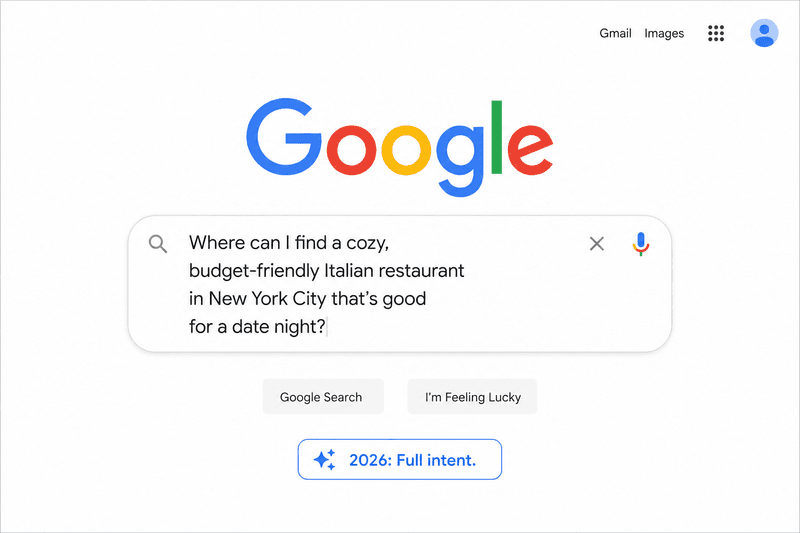
Reid described a behavior pattern that anyone who has used Google understands. A person wants a family-friendly restaurant with vegan options, outdoor seating, and space for five people. In the old search model, they would type "best restaurants New York."
That compression was a learned behavior. Users adapted to what they thought the search engine could handle. They stripped out context, constraints, and preferences to fit the format.
With AI Overviews and AI Mode, that compression is no longer necessary.
Reid put it clearly: "They tell you the real problem. They don't take their need and translate it to what the computer understands. They try to give the computer their actual need and expect us to do the translation."
Google's data confirms the scale of this shift. AI Overviews have driven "meaningfully longer queries" and "more natural language queries." Users are adding context, constraints, preferences, and multiple conditions into single searches.
This is not just about longer queries
The change goes deeper than query length. Users are asking entirely different kinds of questions. A query like "restaurants New York vegan outdoor five people not too expensive kid-friendly" is not just longer than "restaurants New York." It contains six separate intent signals that the old keyword model would never have captured.
Google's system uses a technique called query fan-out to handle this. Instead of looking for one page that answers all six conditions, the system breaks the query into sub-queries, issues parallel searches, and synthesizes the results.
Reid explained the consequence: "If everyone uses the same keyword and it's not personalized, then you can cache it all. If all of a sudden the queries get much more diverse, it has consequences there."
For SEOs, the implication is direct. Content that tries to rank for a single head keyword is competing in a world where users increasingly search with multi-faceted natural language queries. The keyword and the user's actual intent are no longer the same thing.
AI is not killing clicks. It is changing which clicks happen
Reid pushed back on the narrative that AI Overviews destroy publisher traffic. Her framing was specific.
The clicks that AI Overviews reduce are "bounce clicks." These are visits where users click a link, grab a single fact, and immediately return to Google. The user spends half a second on the page. That behavior is being absorbed by the AI summary.
But deeper engagement clicks remain. Reid's point: if a user was going to spend five minutes reading an article, they still want to read that article. AI Overviews do not replace that intent.
Whether this distinction is sufficient for publishers depends on their traffic composition. Sites built around quick-answer queries will lose traffic. Sites built around depth, analysis, and original perspective may not.
Google is watching one metric above all others
Reid identified the key signal Google tracks internally: does AI cause people to come to Search more often?
Q1 2026 earnings answered that question. Google Search revenue grew 19% to $60.4 billion. Pichai said queries hit all-time highs. AI Overviews and AI Mode are driving more total searches, even as individual query economics shift.
From Google's perspective, the math works. More searches multiplied by slightly different click patterns still equals revenue growth. The concern for publishers is whether their share of those clicks grows or shrinks.
What content teams need to do differently
Reid's interview points to specific changes in how content should be created and structured.
Stop optimizing for single keywords in isolation. Build content that addresses specific, multi-faceted user needs. A page about restaurants should cover cuisine types, pricing, seating, dietary options, and group sizes rather than trying to rank for one broad term.
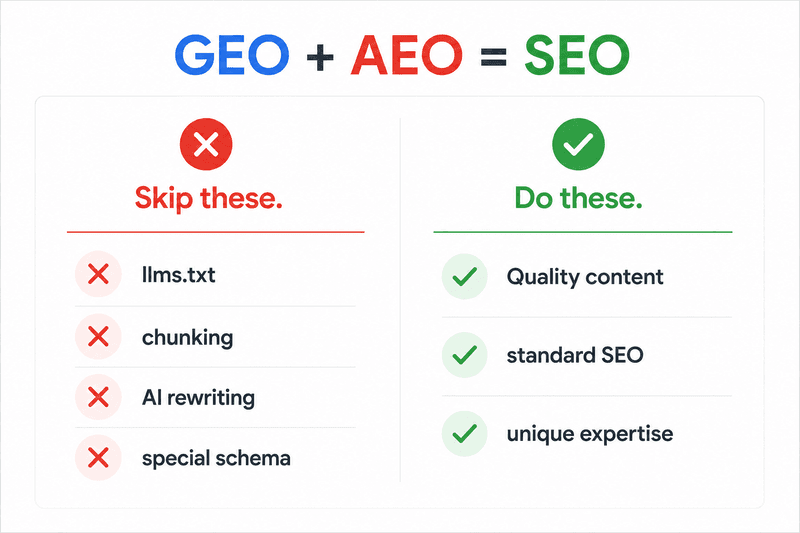
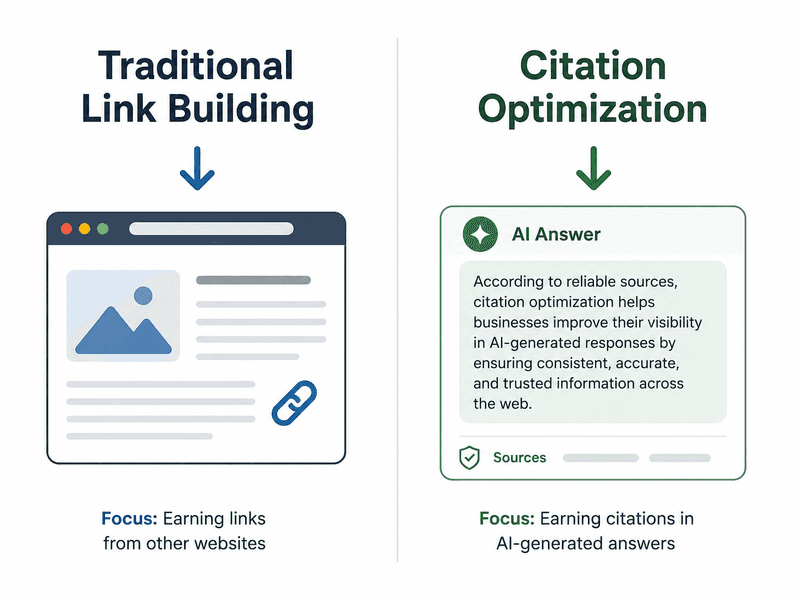
Structure content so individual sections can be cited independently. Google's query fan-out system pulls answers from specific paragraphs, not whole pages. Clear headings, focused sections, and well-attributed claims make citation easier.
Invest in an original perspective. Reid stated directly that users want "deeper, richer" content that shows human expertise. Surface-level AI-generated content gets fewer engaged clicks because "if they click on that, they don't actually learn that much more than they previously got."
Reid's own advice to publishers was simple: "What are you an expert in? What is the unique perspective you bring? Why would someone go to your site versus 50 other sites?"
That question has always been the right one. In an AI search world where keywords fragment and intent becomes more complex, it is the only one that matters.
Disclaimer:This article is AI-assisted content and may contain errors. Quotes and context are from Liz Reid's Bloomberg Odd Lots podcast interview (April 23, 2026), with analysis from SEJ (May 7, May 9), Search Engine Land (April 23, May 7), PPC Land, and ALM Corp. Google's positions and product behavior change over time.