Key Takeaways:
- Google released its first-ever Discover-specific core update on February 5, 2026
- The update prioritizes locally relevant content from websites based in users' countries
- Clickbait and sensational content will see reduced visibility in Discover feeds
- Topical expertise is now evaluated on a topic-by-topic basis
- Rollout takes up to two weeks, starting with US English users only

Google just did something it has never done before.
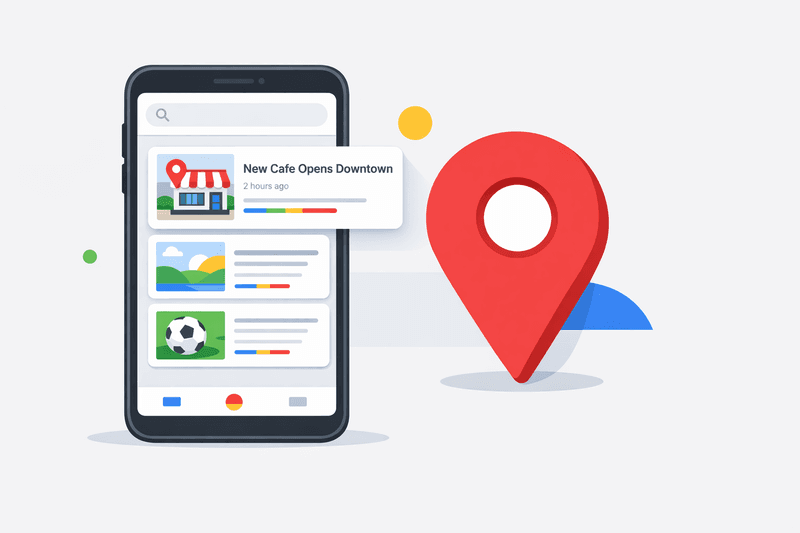
On February 5, 2026, the company released a core update that targets only Google Discover. This is not a search ranking change. It is a standalone algorithmic overhaul of how Discover selects and surfaces content.
What the February 2026 Discover update changes
The update introduces three major changes to how content appears in Discover feeds.
First, Google will show users more locally relevant content from websites based in their country. This means non-US publishers may see reduced traffic from US audiences, at least until the update expands globally.
Second, Google is reducing sensational content and clickbait. The updated documentation now explicitly uses the words "clickbait" and "sensationalism" for the first time.
Third, the update surfaces more in-depth, original, and timely content from websites with expertise in a given area.
Topical expertise now matters more
Google clarified how it evaluates expertise for Discover visibility.
The company now assesses expertise on a topic-by-topic basis, not site-wide. This means niche sites and small publishers can compete with larger publications if they demonstrate genuine knowledge in specific areas.
Google provided an example in its announcement. A local news site with a dedicated gardening section could have established expertise in gardening, even if it covers other topics. A movie review site that wrote a single article about gardening would likely not.
Documentation changes signal enforcement
Google updated its "Get on Discover" documentation on the same day the update launched.
Two key additions stand out.
The words "clickbait" and "sensationalism" now appear explicitly. Previous versions warned against tactics to artificially inflate engagement without naming them directly.
Page experience is now part of Discover guidance. This requirement existed for Search since 2020 but was never included in Discover-specific recommendations until now.
When Google revises documentation alongside algorithm changes, it signals what the algorithm is built to detect.
Why this update matters for publishers
Discover has become the dominant traffic source for news publishers.
According to NewzDash analysis of over 400 news publishers worldwide, Google Discover now accounts for 67.51% of Google-sourced traffic. That is up from 37.03% in 2023.
Traditional web search has fallen from 51.10% to just 27.42% over the same period.
For publishers who depend on Discover traffic, this update is not optional to understand. It is essential.
Rollout timeline and what to expect
Google is releasing this update to English language users in the US first. Expansion to all countries and languages will happen in the coming months.
The rollout may take up to two weeks to complete.
During this time, expect traffic fluctuations. Some sites might see increases or decreases. Many sites may see no change at all.
Google recommends publishers follow its standard core update guidance and the Get on Discover help page. The company did not provide new recommendations specific to this update.
What publishers should do now
Monitor your Discover traffic separately from organic search in Google Search Console.
If you see traffic changes, check whether they are isolated to Discover or also affecting Search. That distinction now matters more than it used to.
Avoid making major changes during the rollout. Wait at least 14 days after completion to assess impact.
Focus on creating content that demonstrates genuine expertise, avoids sensationalism, and provides real value to readers in your target geography.