Key Takeaways:
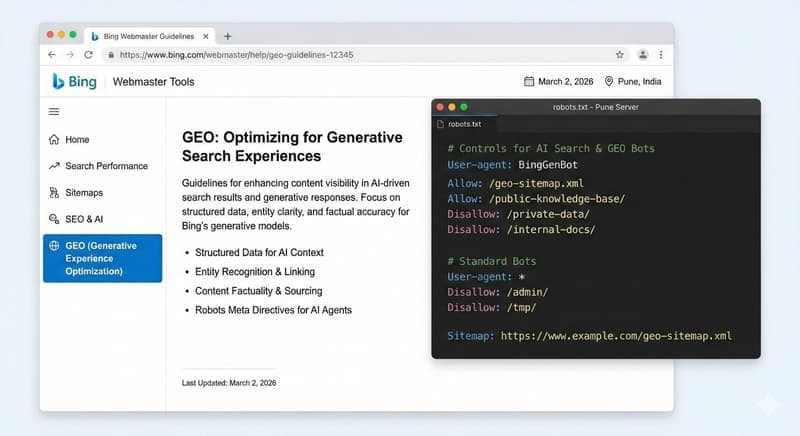
- Microsoft rewrote the Bing Webmaster Guidelines to include Generative Engine Optimization (GEO) as a formal concept
- The guidelines now explain how each robots meta directive (NOARCHIVE, NOCACHE, NOSNIPPET) affects Copilot AI answers separately
- Bing also softened its position on AI-generated content, dropping the old blanket warning
- This is the first time any major search engine has written GEO into official policy
- Google has not published a similar directive-level breakdown for AI Overviews

GEO is no longer a buzzword. It is now official Bing policy.
On February 27, Microsoft quietly rewrote its Bing Webmaster Guidelines. The previous version covered how Bing indexes and ranks websites. The new version goes further. It now covers how your content appears inside Copilot's AI-generated answers.
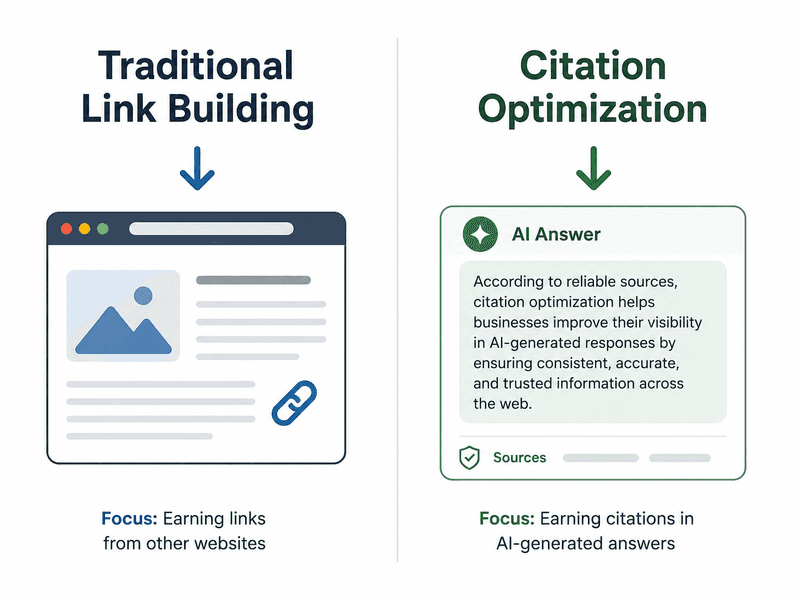
The rewrite treats "grounding results and citations" as a separate eligibility outcome alongside traditional rankings. That is new.
What actually changed in the guidelines
The biggest addition is GEO as a named optimization category. Microsoft defines it as focused on making content eligible for grounding and reference in AI responses. The guidelines note that GEO does not guarantee citations, just as SEO does not guarantee rankings.
Then there are the meta directive changes. Previously, Bing covered robots meta tags in general terms. Now every directive gets its own explanation for how it affects AI experiences:
- NOARCHIVE prevents your content from being used in Copilot responses and grounding results
- NOCACHE limits Copilot to using only the URL, title, and snippet from your page
- DATA-NOSNIPPET and NOSNIPPET can restrict citation quality
- A data-snippet attribute lets you specify what text Bing can display or cite
If you use NOCACHE on pages you want Copilot to cite, Bing recommends against it. Richer content access means richer citations.
Bing quietly changed its stance on AI content too
The old guidelines had a blunt warning about "machine-generated content." That language is gone. The new version takes a softer position. It focuses on whether content adds value, not how it was produced.
This follows the same direction Google has taken, but Bing has now written it into the actual guidelines rather than just saying it in blog posts and interviews.
Why this matters more than it looks
Google says AI Overviews and AI Mode follow standard preview controls like nosnippet and max-snippet. But Google has not published a Bing-style breakdown showing how each tag affects AI-generated answers specifically.
Microsoft did this first. And it connects directly to the AI Performance dashboard it launched in Bing Webmaster Tools two weeks earlier, which tracks how often your pages get cited in AI-generated answers.
For SEOs and content marketers, the signal is clear. Optimizing for AI search is now a documented, measurable practice. Not a theory. Not a side project. Bing put it in the rules.
If you manage a website, open your robots.txt and meta directives today. Check whether your current setup accidentally blocks your content from appearing in AI answers. That might be costing you visibility you did not know you were losing.